How to Write an Eyewear RFQ That Produces Comparable Quotes
October 15, 2026 · JUNLIAN
Build a practical eyewear request for quotation with quantities, product references, packaging and an approval checklist.
Give the supplier a decision-ready brief
An enquiry that says ‘please send your best price’ leaves the supplier to choose the assumptions. One quotation may include a case, another may not; one may use a different colour split or quantity. A useful request for quotation, or RFQ, removes these avoidable differences. Begin with a short project summary: who the collection is for, which product references you are considering and what decision you need the quotation to support. Keep the initial brief readable, with supporting drawings or photographs attached separately.
Identify the product without relying on a photograph alone
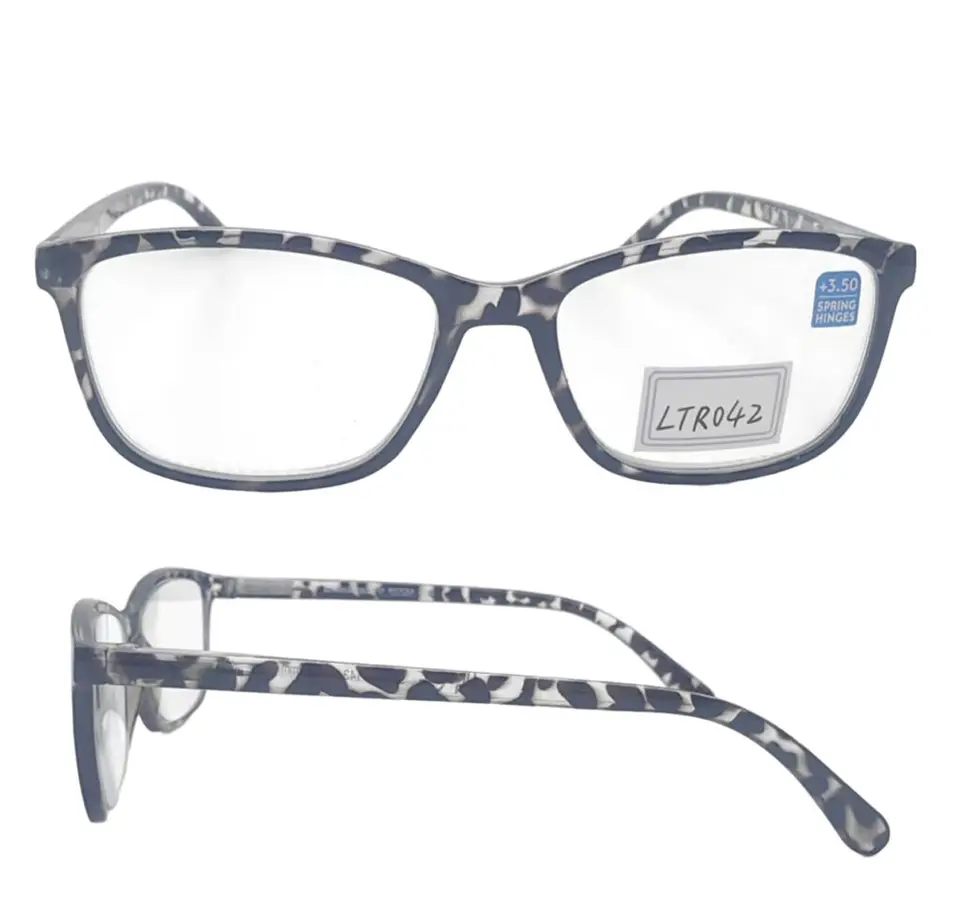
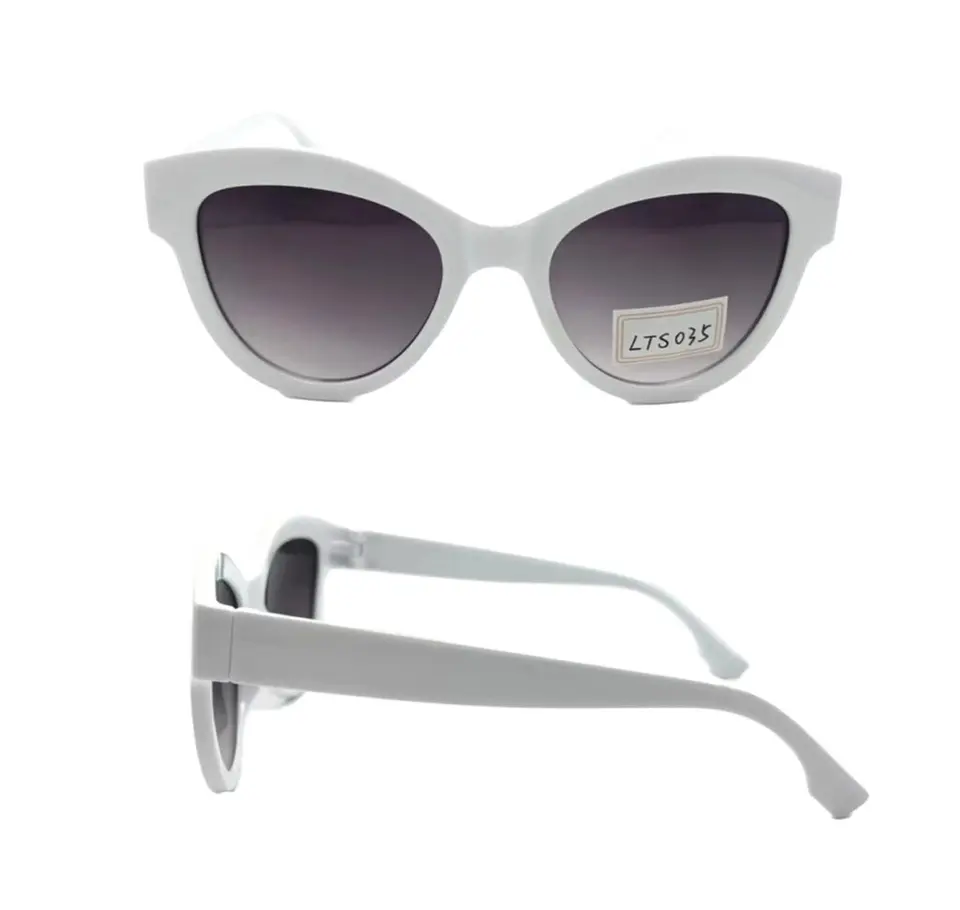
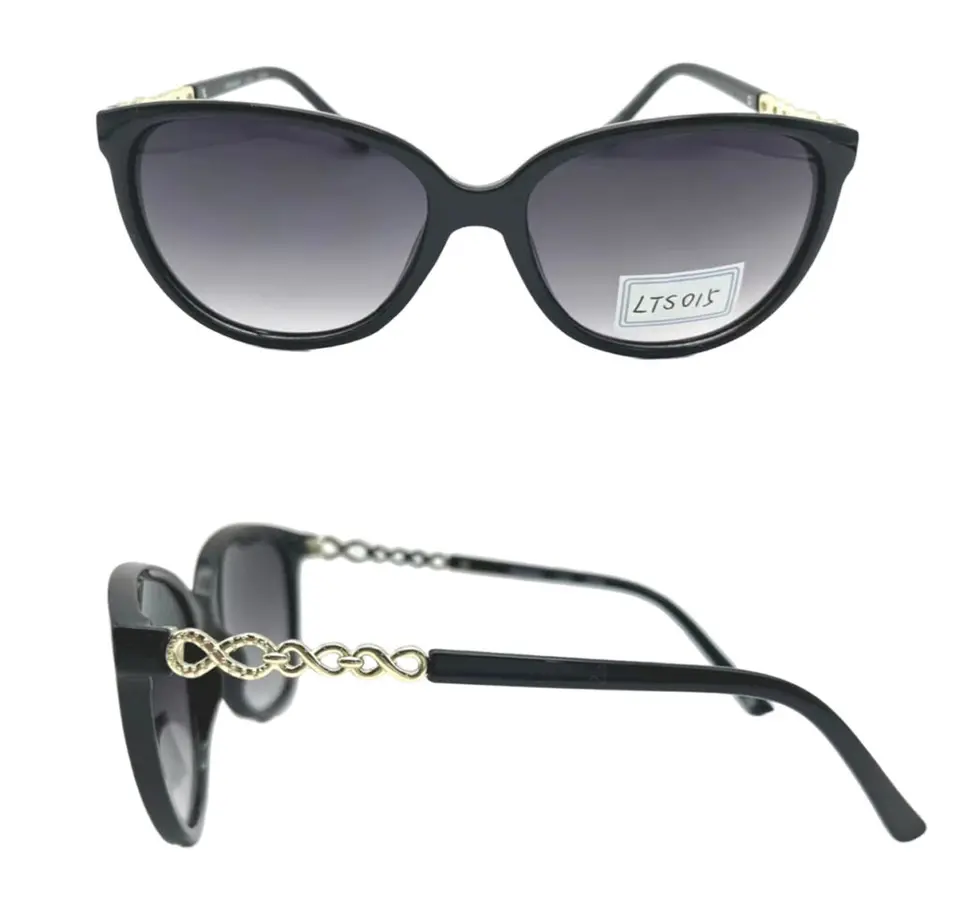
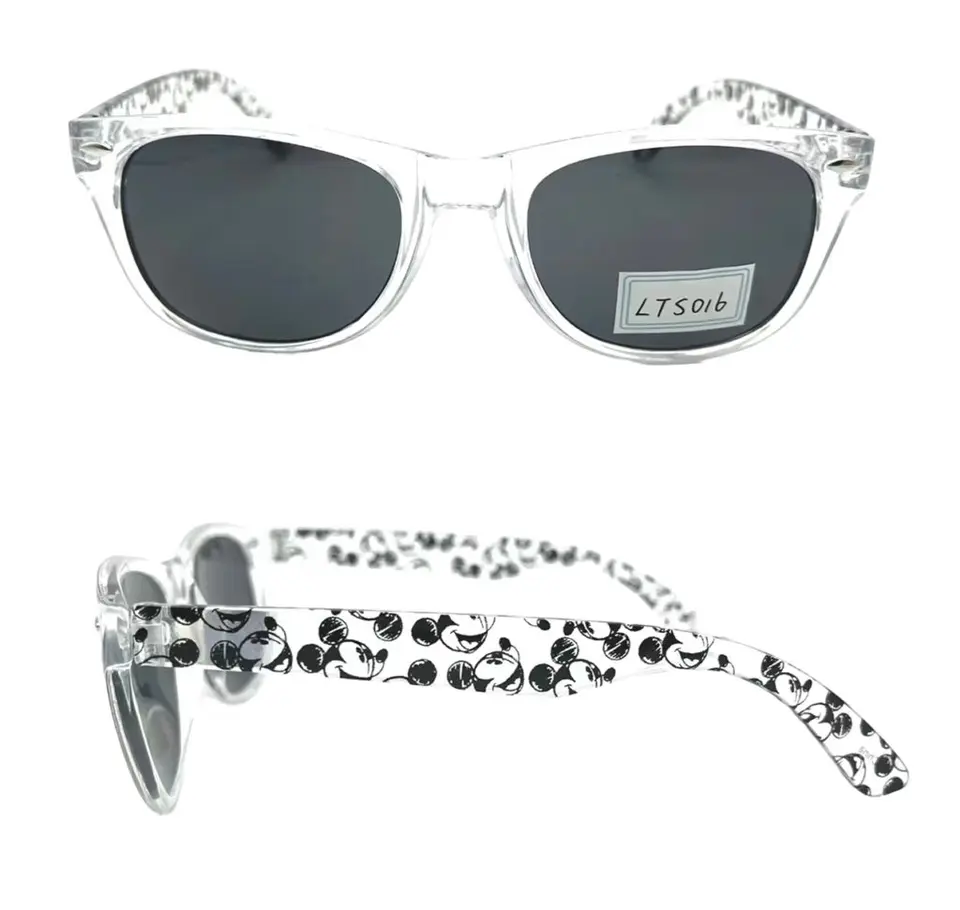
Include a reference number for every proposed model. If you use a supplier image, retain the model code and mark the details that matter. Describe the intended frame colour, visible finish, logo location and any dimensional requirements you already know. Mark unknown details as questions instead of guessing. A supplier can respond more accurately to ‘please confirm the available dimensions’ than to a specification copied from an unrelated product. Keep the same identifiers on samples, quotations and later order documents.
| RFQ field | What to include |
|---|---|
| Product | Model code, image and required changes |
| Quantity | Units per model and per colour |
| Branding | Artwork version, size and position |
| Packaging | Each included item and optional extras |
| Timing | Sample, approval and delivery requirements |
Separate total volume from the colour split
The total order quantity is only part of the purchasing picture. Show the expected number of units per model and per colour, even if those quantities are provisional. Ask the supplier to state its applicable minimum quantities and any conditions attached to mixed orders. If you are considering several order sizes, request separate pricing for each scenario. Do not combine the lowest unit price from one scenario with the smallest quantity from another when presenting the budget internally.
Describe what belongs inside the price
List the individual items expected with each pair: the frame, a case or pouch if required, a cloth, printed insert and retail packaging where relevant. Ask for optional components to be priced separately. Describe artwork availability and who will prepare print files. For delivery, state the intended destination and ask the quotation to identify its delivery basis clearly. A comparison is much easier when the inclusions, exclusions and transport assumptions are written beside the number rather than buried in an email thread.
Ask for milestones instead of one optimistic date
Separate the requested sample date from the desired production completion and arrival dates. Ask which steps depend on artwork, sample approval, payment or material confirmation. If a launch deadline is important, make it visible at the start rather than after the quotation arrives. Request a response to any unknown timing item. An honest ‘to be confirmed after sample approval’ is more useful for planning than an unexplained date that your team treats as guaranteed.
Evaluate the response and close the gaps
Create a comparison sheet with one row for each requirement and one column for each supplier response. Highlight missing answers rather than filling them in yourself. A competitive quotation should be understandable enough that another colleague can see what is being purchased. Before placing the order, send a consolidated final brief and ask for written confirmation. This last step prevents an early image, a later colour change and an outdated price sheet from being mistaken for one agreed specification.
Plan your next collection with JUNLIAN
Send the model references, intended quantities and customisation questions in your project brief.