OEM or ODM Eyewear? A Practical Guide to Choosing Your Development Route
October 15, 2026 · JUNLIAN
Compare two eyewear development routes through design responsibility, sample approval and a clearly defined purchasing brief.
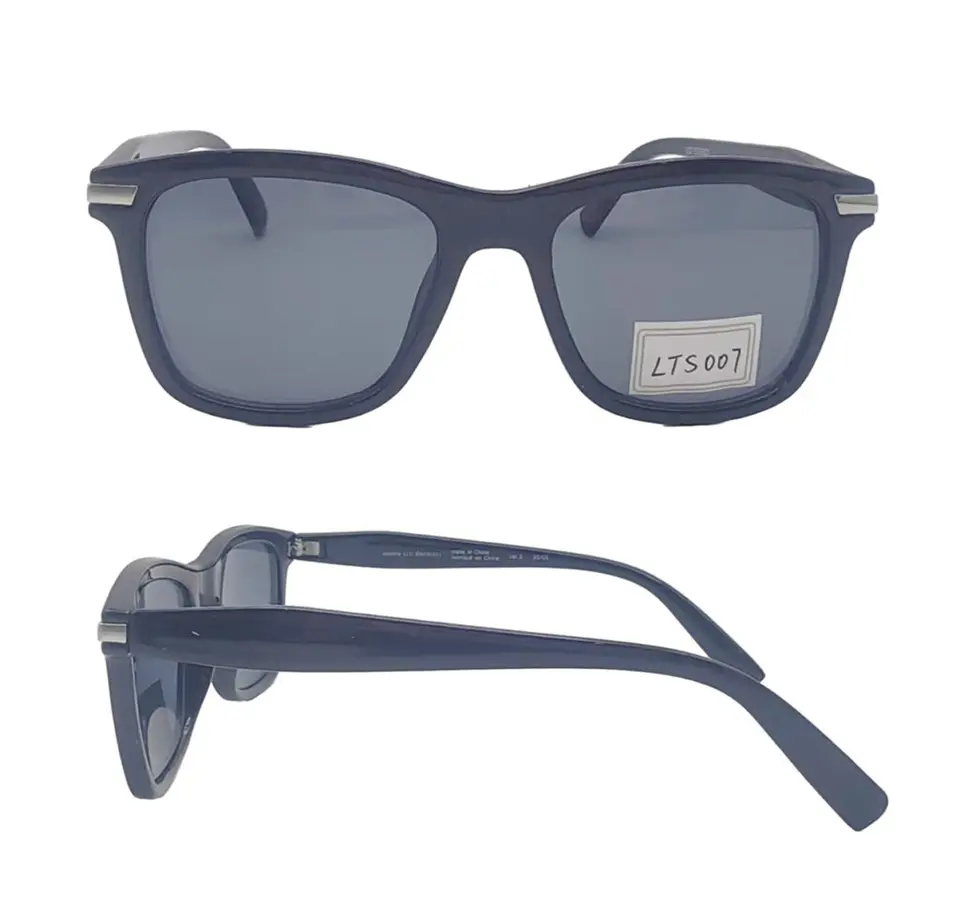
Start with the decisions you need to own
A collection often begins with a mood board, a target price and a launch date. Those three things describe an ambition, but they do not yet define a manufacturing project. Before asking whether OEM or ODM is better, decide which features must be yours: the frame shape, colour palette, temple detail, logo, packaging or all of them. A buyer who needs an original silhouette has a different project from a buyer who wants to customise an existing reference. Writing down that distinction makes the first supplier discussion much more useful.
Define the scope behind the label
Suppliers and buyers do not always use OEM and ODM in exactly the same way. Treat the terms as conversation starters, then describe the actual responsibilities. For a supplier-developed reference, ask which features can change and which must remain fixed. For a buyer-led design, identify who prepares drawings, evaluates feasibility and approves revisions. The decisive document is a written scope: what is supplied, what is developed, what is paid for separately and what the buyer receives at the end.
| Decision | Ask before ordering |
|---|---|
| Design responsibility | Who supplies and approves drawings? |
| Customisation | Which features can change? |
| Development costs | Which charges are separate? |
| Final approval | Which sample and revision control production? |
Compare a complete project, not one unit price
A lower quoted unit price can be difficult to interpret when development tasks sit outside the quotation. Request separate lines for samples, artwork, tooling where applicable, packaging and any agreed testing or documentation. Ask how changes after approval will be quoted. Compare suppliers against the same quantity and specification revision. If one offer excludes a case or uses a different finish, record that difference before treating the prices as alternatives. Your internal comparison should show both assumptions and unanswered questions.
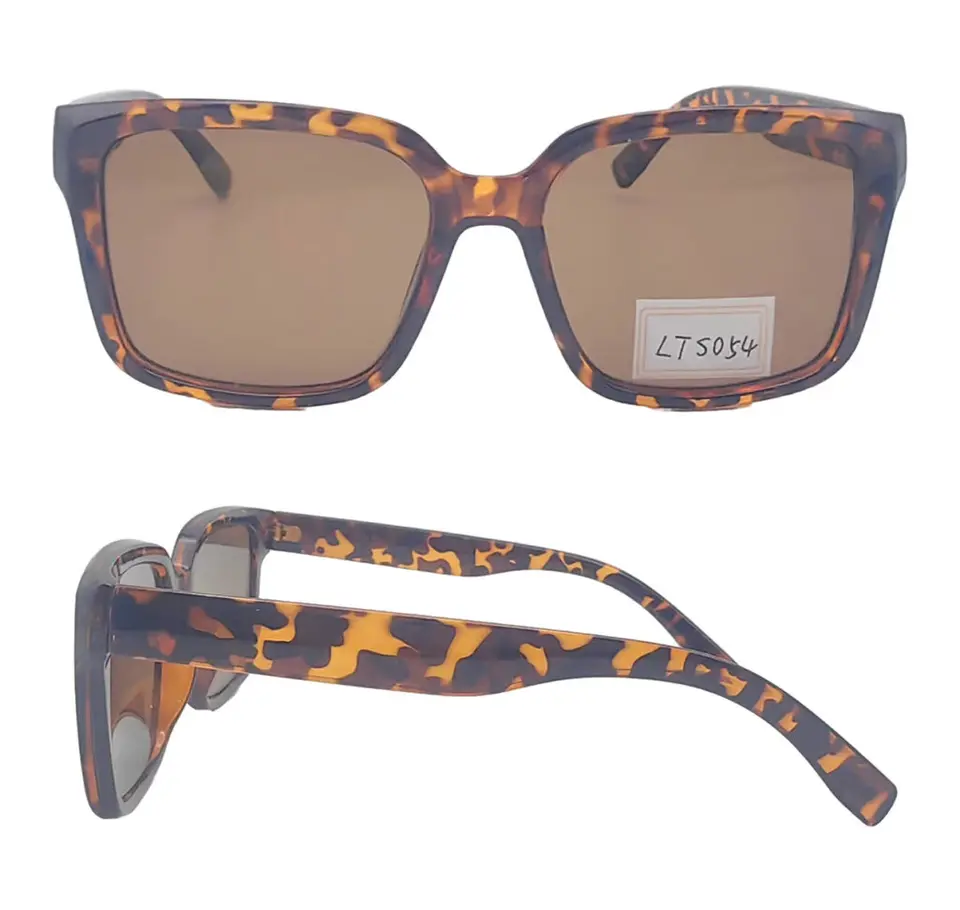
Turn visual references into approval criteria
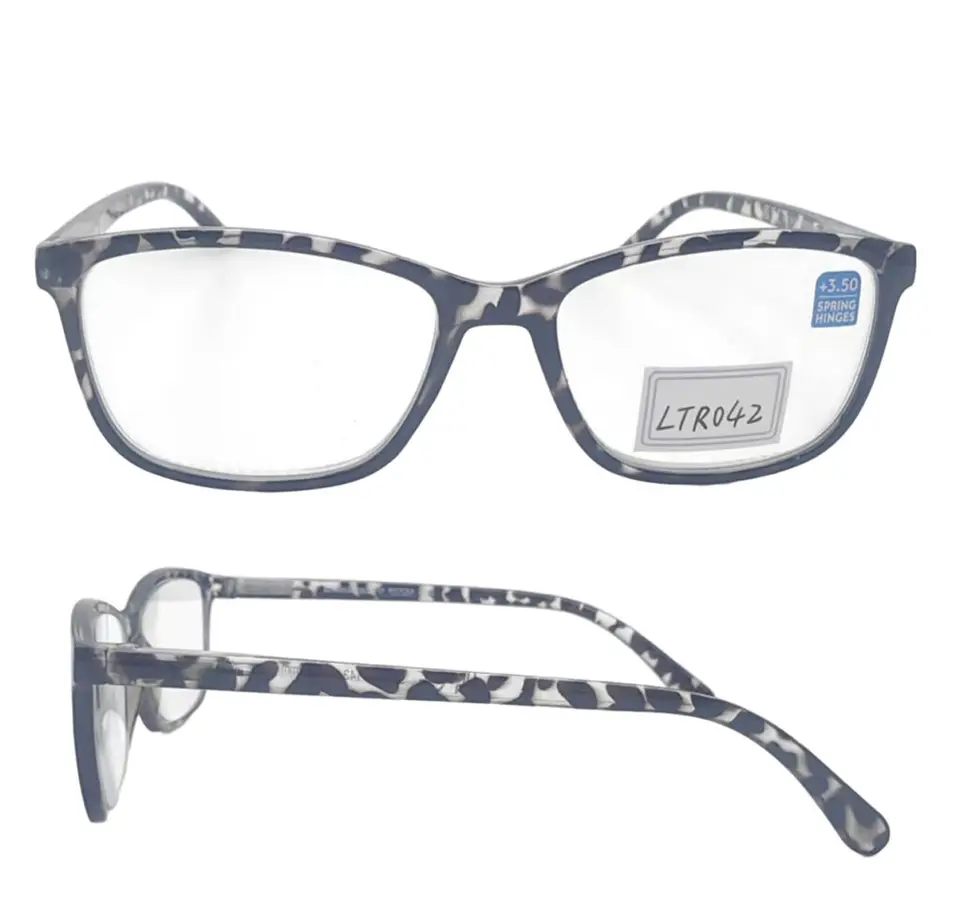
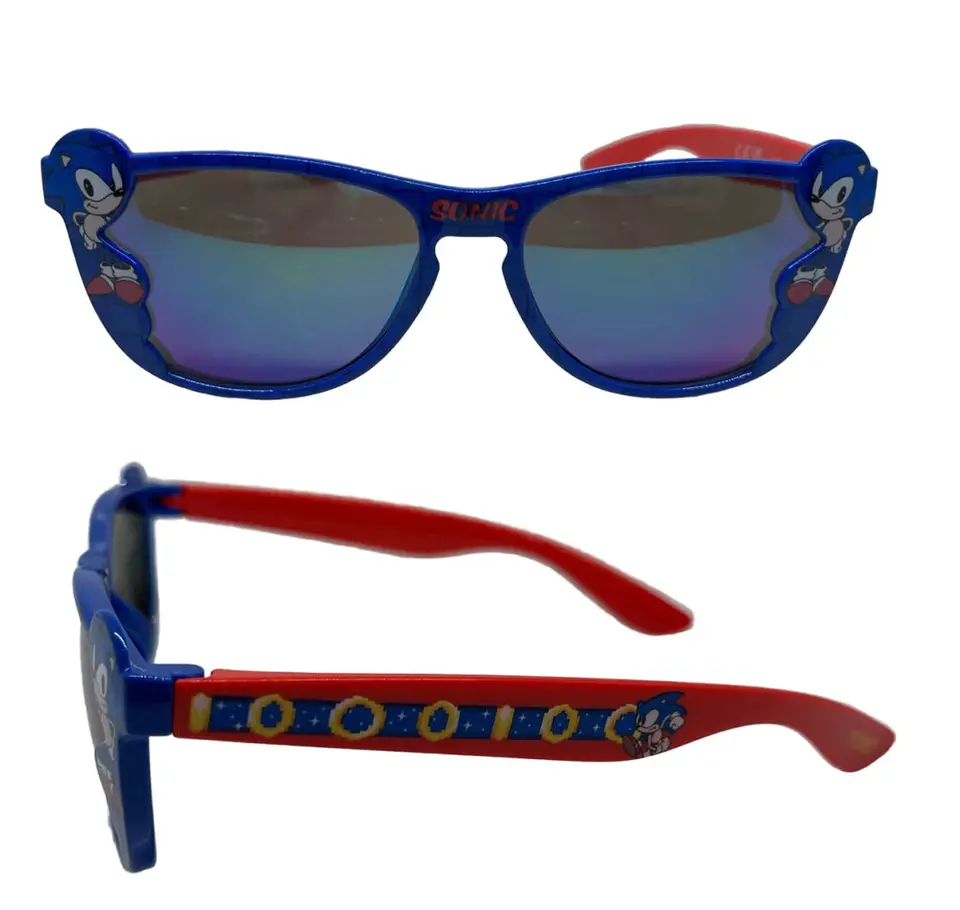
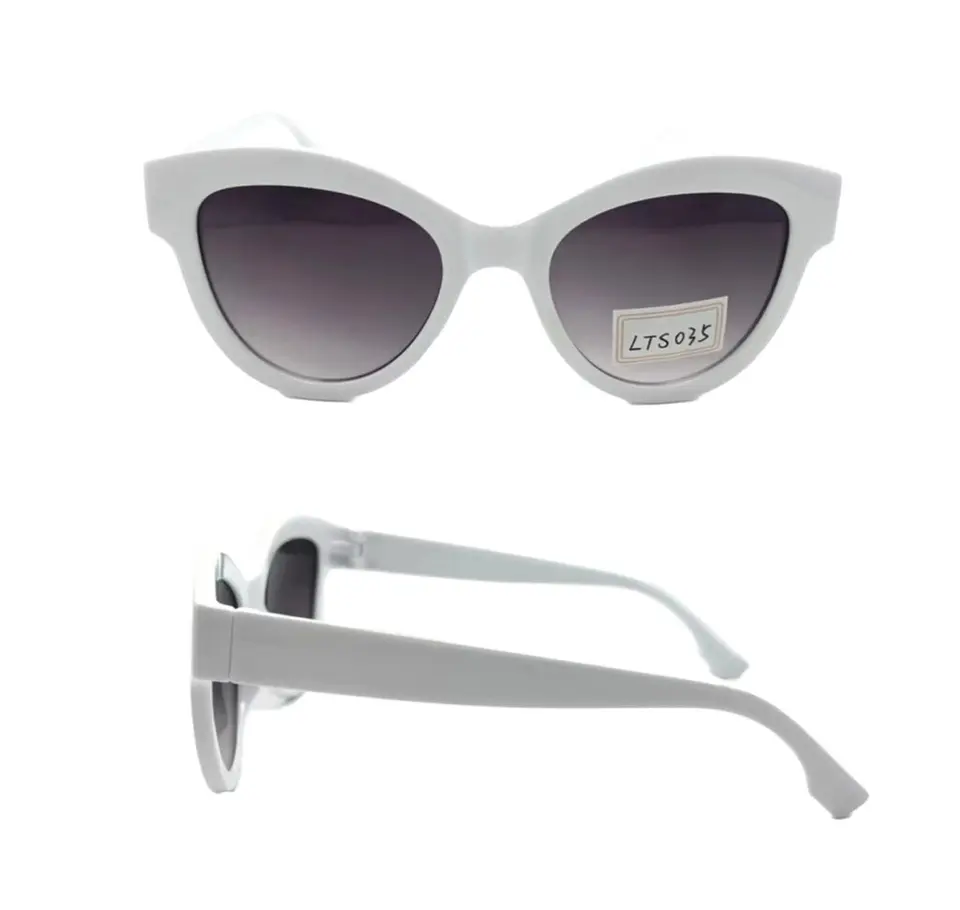
A photograph is helpful for communicating style, but it cannot settle every construction or finishing detail. Mark the features you want to retain and the features you want to change. Request measurable dimensions and a documented colour reference where needed. For the logo, specify placement, size and artwork version. Review a physical sample against these points rather than asking only whether it looks good. Keep the approved sample and the written specification together so the visual decision has a clear purchasing record.
Agree ownership and change control early
If your project involves original artwork or paid development, discuss permitted use and delivery of those files before work begins. Put commercially important agreements into the relevant written contract. Also nominate the person authorised to approve changes. A message from a colleague about a new colour should not silently replace a signed sample decision. Use one revision number for each agreed specification, and ask the supplier to acknowledge the version that will be used for production.
Choose the route that fits your first release
For a focused first collection, adapting an available reference may let your team concentrate on assortment, branding and customer presentation. A more extensively developed frame may suit a project whose identity depends on a distinctive shape or construction. Neither route removes the need for sample approval. Start with one clearly described model, resolve the open questions and then apply the same process to the wider range. The best route is the one whose responsibilities, costs and approval steps your team can actually manage.
Plan your next collection with JUNLIAN
Send the model references, intended quantities and customisation questions in your project brief.