Adult Sunglasses: Comparing Shapes, Temples and Color Directions
October 15, 2026 · JUNLIAN
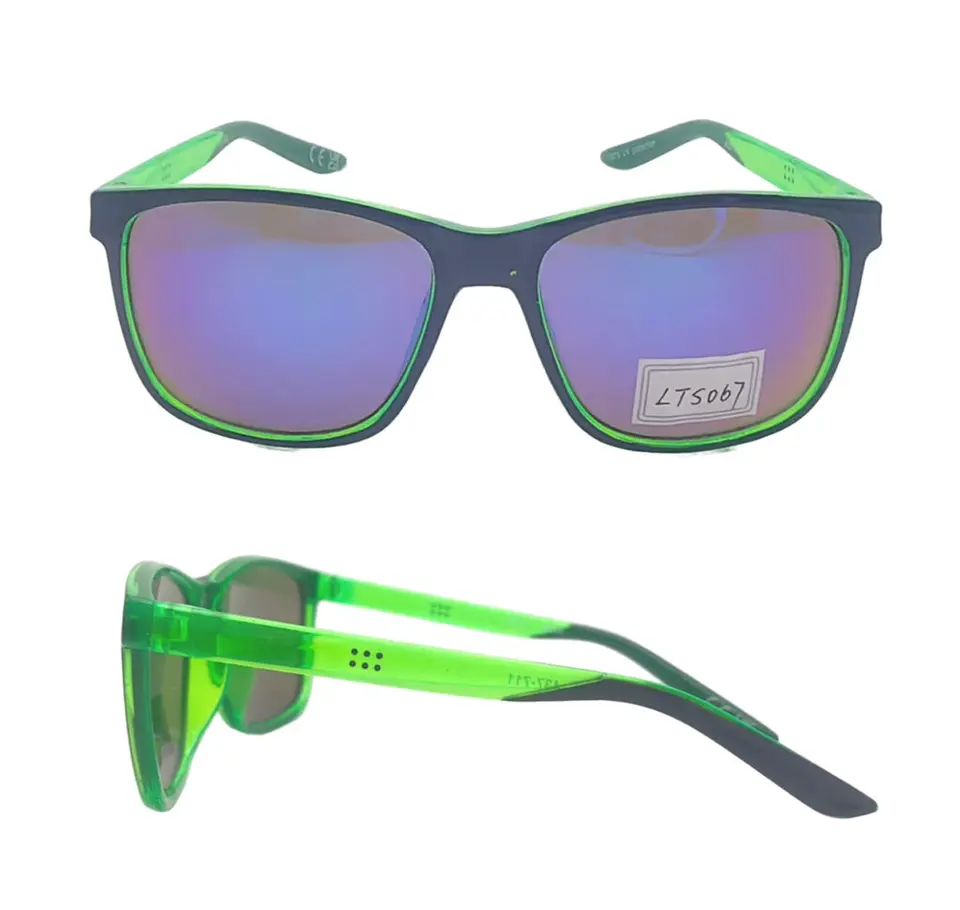
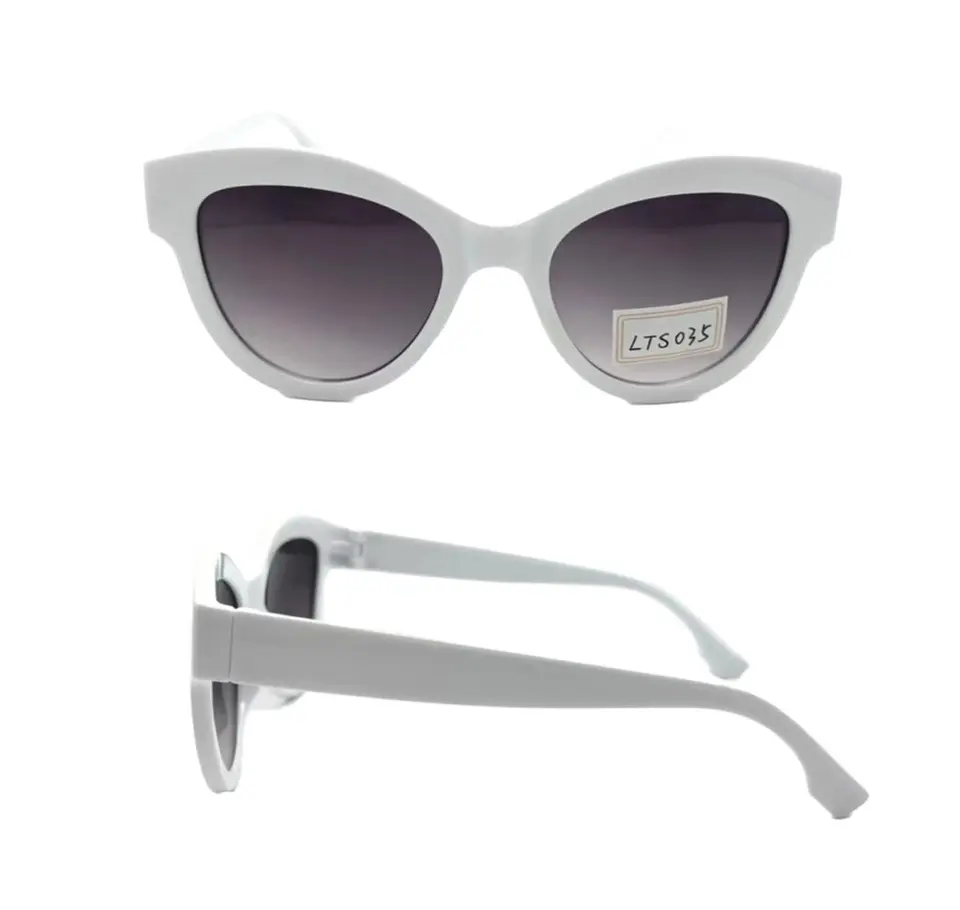
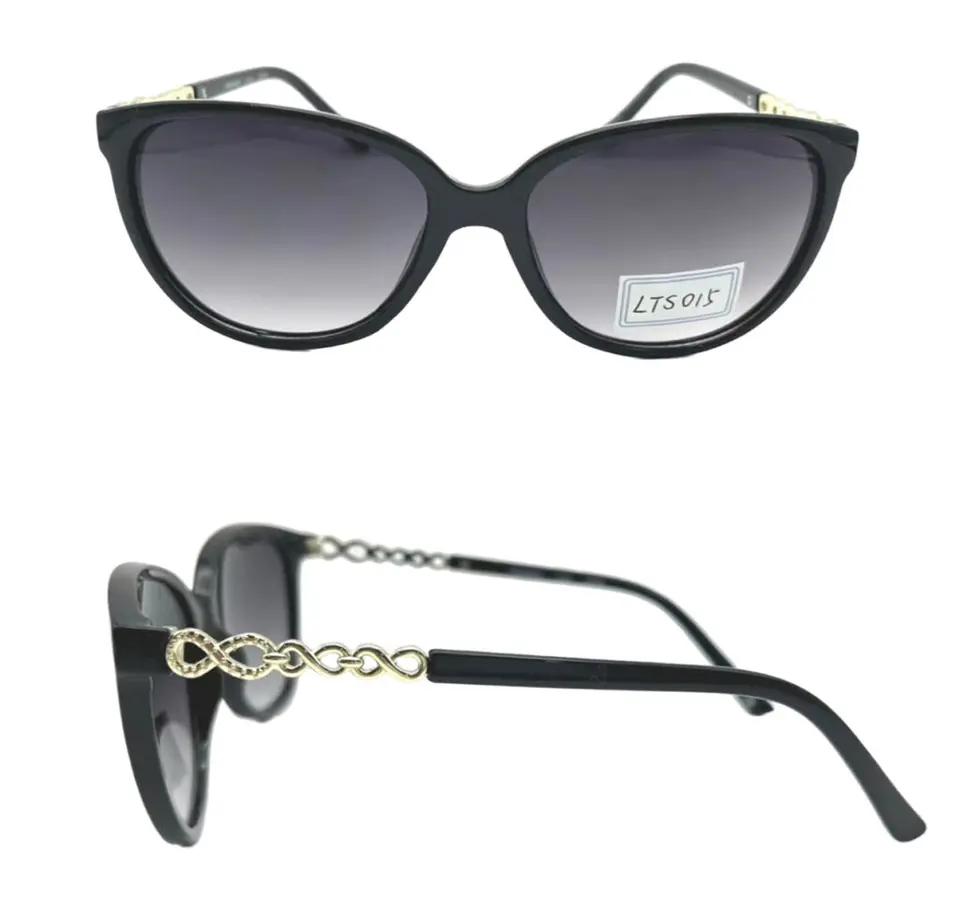
An adult sunglasses assortment is easier to explain when each frame has a distinct visual role. Begin with front shape, temple detail and color direction, then confirm measurements and product specifications. The catalogue image can support a styling discussion, but it cannot establish fit or lens performance.
Compare Silhouettes Before Adding Colors
Place the front views of your shortlisted models beside one another. Describe what each adds: a more angular outline, a rounded profile or a broad square shape. Avoid describing every frame as a universal bestseller. Its role in your range should be a purchasing decision based on your customer and selling context.
For a concrete comparison, SUN-030 provides a rectangular direction, SUN-036 an angular cat-eye and SUN-042 a rounded front. Ask for their actual dimensions before treating the images as a size comparison.
Review the Temple as Part of the Design
A front view can hide a significant difference between two models. Compare the hinge area, visible temple shape and any decorative or patterned sections shown in the side photograph. Mark the details you want to retain and those you want to discuss changing. Keep requests for logo placement separate from requests to change a structural feature.
SUN-029, for example, includes a decorative side treatment, while other references use a more restrained temple. Confirm the feasibility of any requested change for the specific model rather than assuming that all options are interchangeable.
Separate Frame Color From Lens Appearance
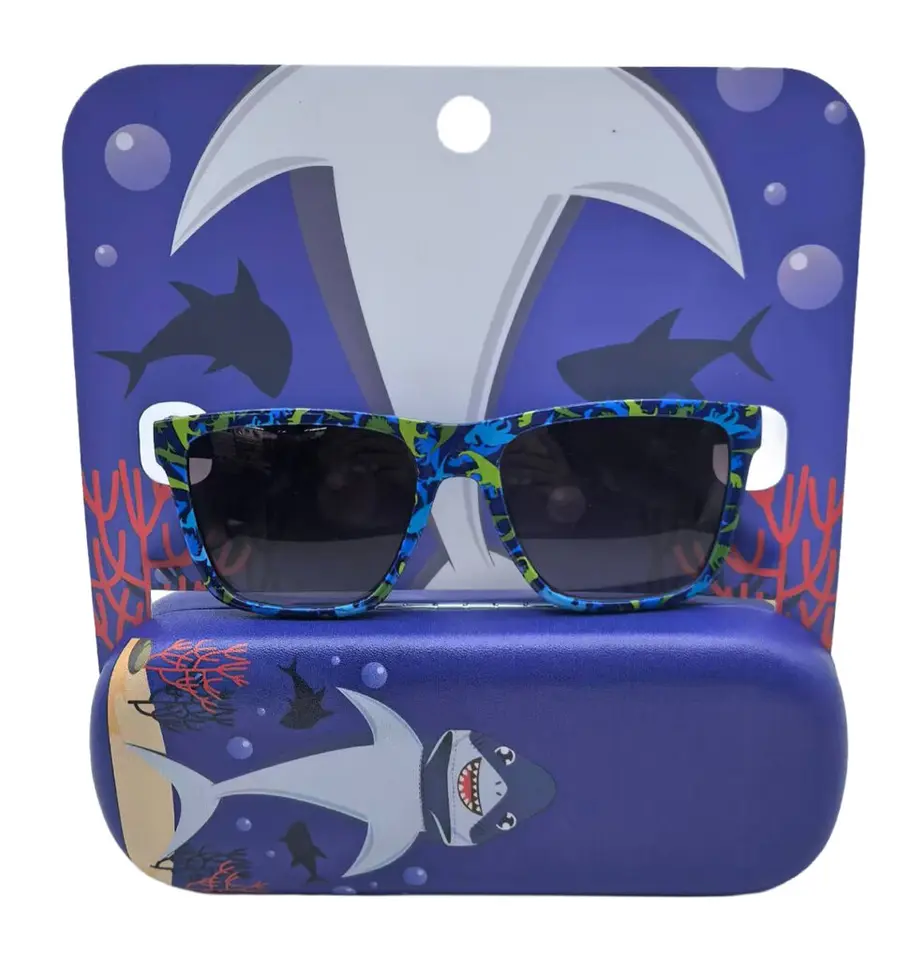
Describe both elements in the brief. A patterned front, plain temple and mirrored lens appearance are separate decisions. Identify which parts of the reference photograph are intentional and which are only a starting point for discussion. Review sample colors under consistent conditions and keep the agreed reference with the approval record.
Request lens specifications and relevant product information separately. A dark, graduated or mirrored appearance does not by itself establish a protective or optical performance claim. Customer-facing descriptions should use the confirmed facts for the selected order.
Assign a Role to Each Reference
- A short description of the frame’s role in the range.
- The selected catalogue code and confirmed dimensions.
- Proposed front, temple and lens appearance.
- Quantity per style and any requested color split.
- Packaging and branding requirements.
- Open questions to resolve through the quotation or sample.
If two models fill the same role, decide whether both are justified before extending the color selection. A focused range can still include variety; it simply makes the differences understandable to purchasing and retail teams.
Move From Shortlist to Sample Review
Explore the adult sunglasses collection, select reference numbers and request the information missing from your comparison. Use the assortment planning guide for the wider range and the branding guide for artwork decisions. Send your shortlist with quantities, destination and preferred timing.