Wholesale Kids Sunglasses: A Buyer’s Guide to MOQ, Samples and Packaging
October 15, 2026 · JUNLIAN
Buying wholesale kids sunglasses involves more than choosing a colorful frame. A useful purchasing brief connects the intended wearer, the selected model, the quantity, the packaging and the destination market. This guide helps retail buyers and private label teams prepare those decisions before asking JUNLIAN for a quotation.
Start With the Wearer and Selling Context
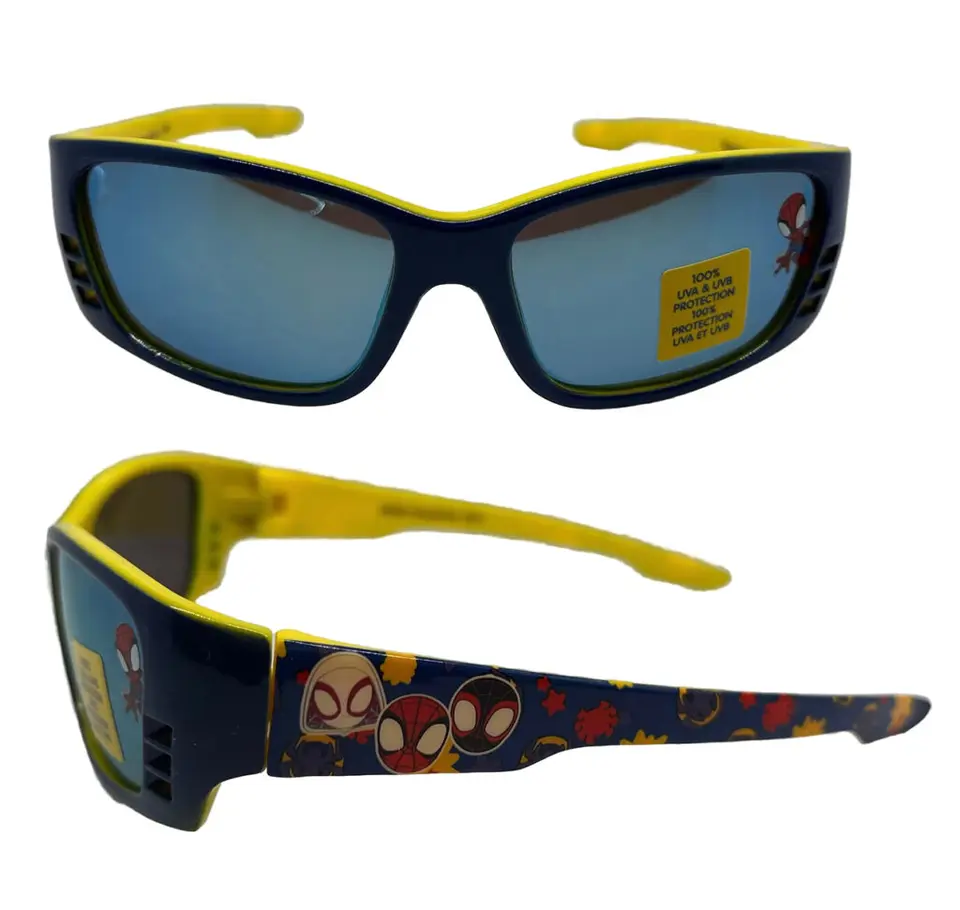
Describe the intended age group and where the range will be sold. An age label alone does not establish fit, so ask for the actual frame dimensions and review the sample against your requirements. Keep questions about bridge fit, temple length and the folded frame separate from color preferences. A style that photographs well still needs to be evaluated as the specific product you intend to purchase.
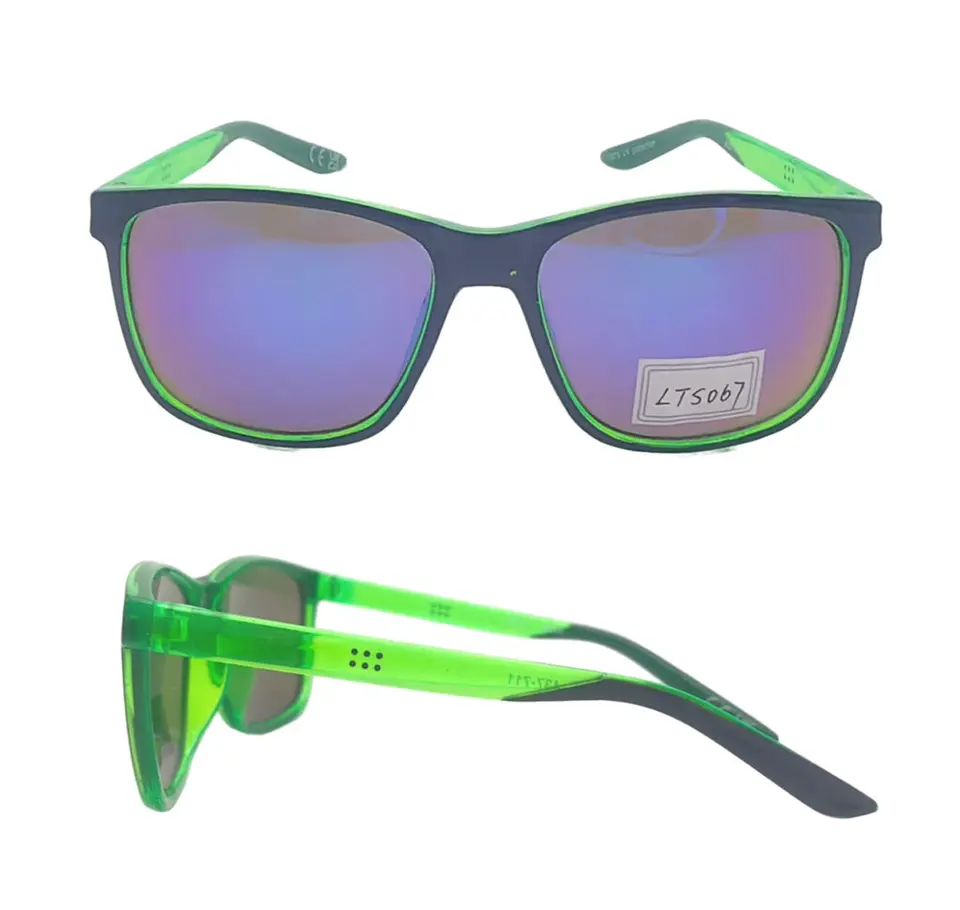
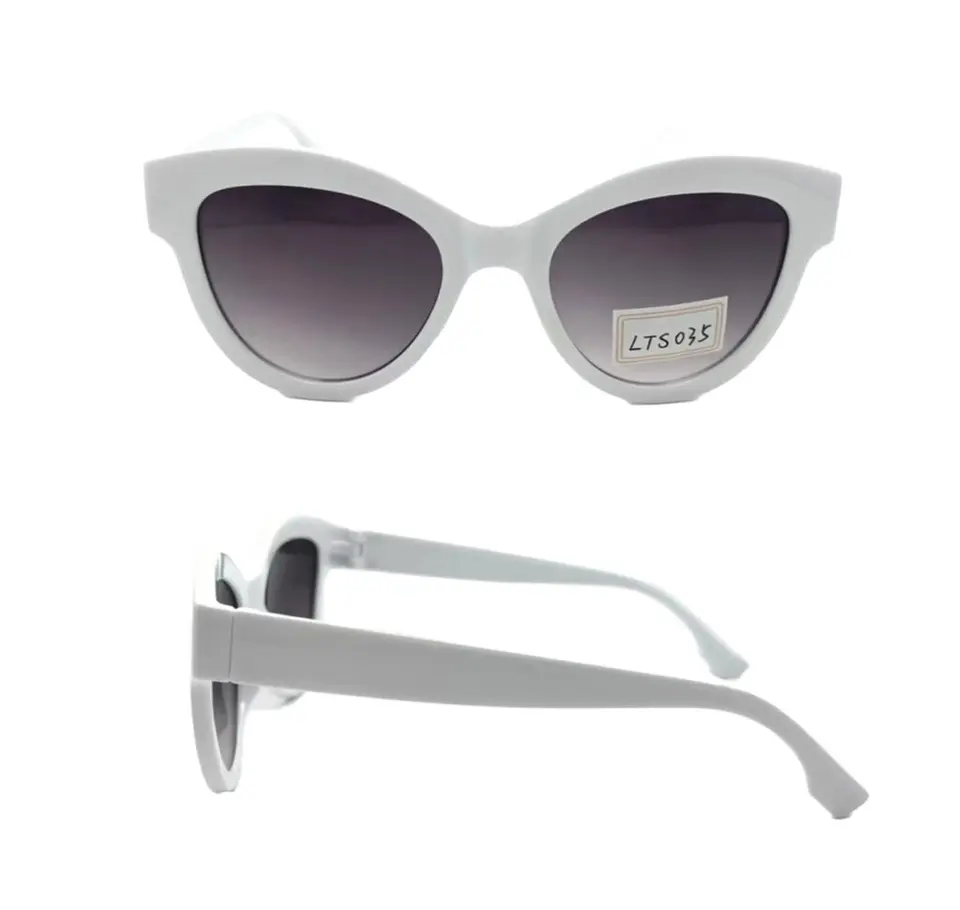
For an initial assortment, give each model a clear purpose. You might compare a simple everyday shape with a more decorative option, but neither should be added solely to increase the number of styles. Record the reference number for every candidate. Our kids sunglasses collection and KID-044 product page are starting points for a supplier discussion, rather than a substitute for an agreed specification.
Separate Style Quantity From Color Allocation
JUNLIAN’s minimum quantity for kids sunglasses is 1,200 pairs per style. Confirm the final minimum and the permitted color split for your selected reference. This does not mean that any number of styles can be combined into a single 1,200-pair order, or that every color combination is automatically available.
For example, a planning sheet with three styles at 1,200 pairs each represents 3,600 pairs before any project-specific adjustments. If you want two colors within one style, write down the proposed allocation and ask for confirmation. Keep that request separate from the total quantity so the quotation can answer both questions.
Confirm Product Information Before Writing Retail Claims
Ask for the material, dimensions, lens specification and relevant product documentation for the exact model and order. Do not infer protective performance from a dark tint, a mirrored appearance or a product photograph. If your destination market or retail customer has specific requirements, include them in the brief and agree how they will be reviewed.
Keep confirmed facts separate from open questions in your product sheet. That sheet should later support your catalogue, retail labels and customer-facing product page. When a specification changes during sampling, update all three rather than allowing an early draft to become the final description.
Review Branding and Packaging With the Frame
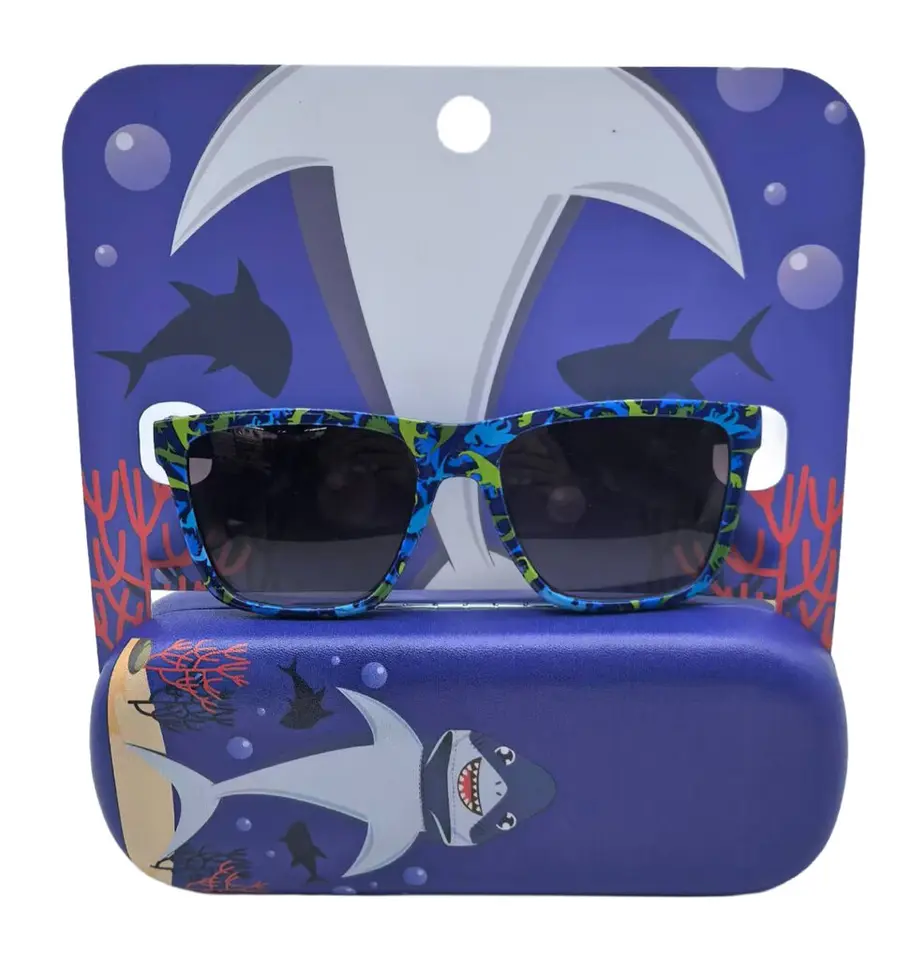
List the surfaces where you want branding and provide the current artwork file. Ask which changes are feasible on the chosen model. If the order includes a case, pouch, cloth or printed insert, identify each item and whether it belongs in every pack. Review the folded frame inside the proposed packaging; a case chosen for one silhouette should not be assumed to fit every model in the assortment.
Use the private label branding guide for artwork decisions and the sample approval checklist to record the outcome. Where the eyewear will be sold as a coordinated gift, compare the sunglasses gift set options as a separate purchasing configuration.
Build the Schedule Around Approval Decisions
Sampling is approximately 15 days, and bulk production is generally 30–60 days. The production period starts from receipt of the deposit or letter of credit; confirm the exact schedule for the project. These figures should not be treated as a guaranteed arrival date: sample revisions, approval steps and transport need their own planning assumptions.
Tell the supplier your required arrival date and destination at the beginning. Ask for a schedule identifying sample review, any remaining changes and the agreed production window. If a date cannot yet be confirmed, keep it visibly open instead of calculating a retail launch date from an incomplete timeline.
Send a Brief That Can Be Quoted
- Product references and intended age group.
- Estimated pairs per style and proposed color allocation.
- Required dimensions and product information still to be confirmed.
- Branding artwork and packaging components.
- Destination market, delivery location and preferred arrival date.
Discuss Your Kids Sunglasses Order ↗ Include the selected reference numbers so the quotation can be tied to the same products your team reviewed.