Kids Sunglasses: Planning Quantities by Style and Color
October 15, 2026 · JUNLIAN
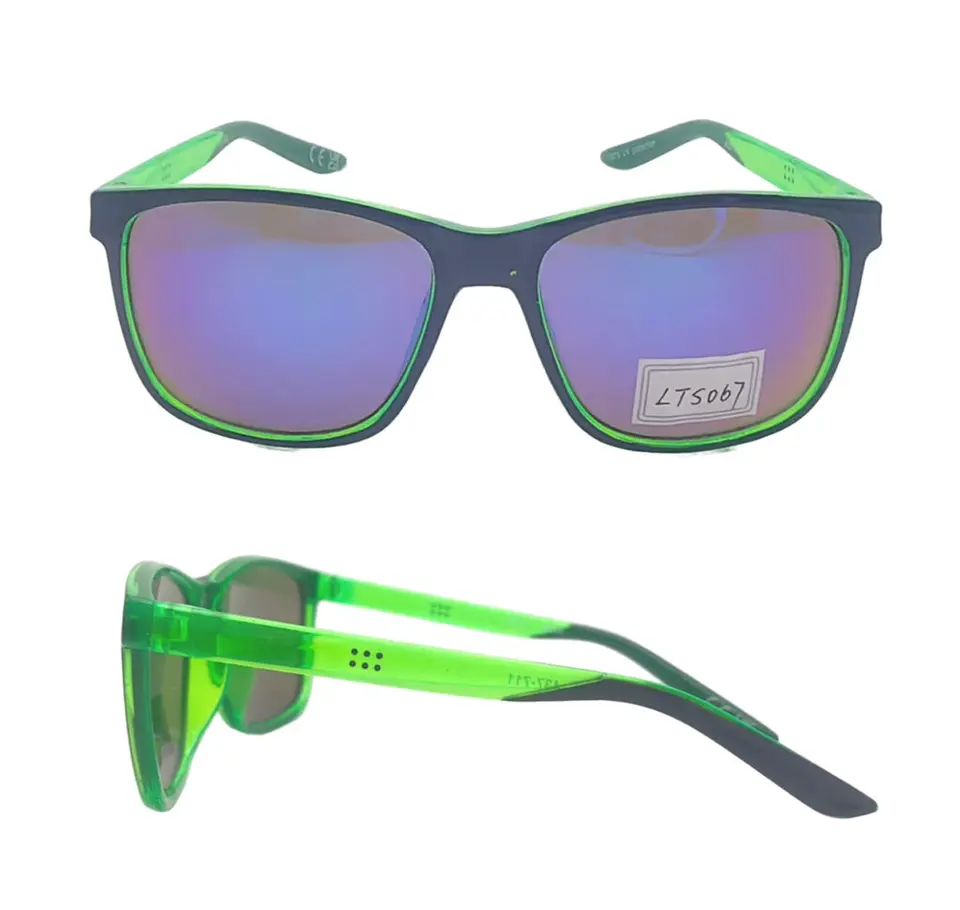
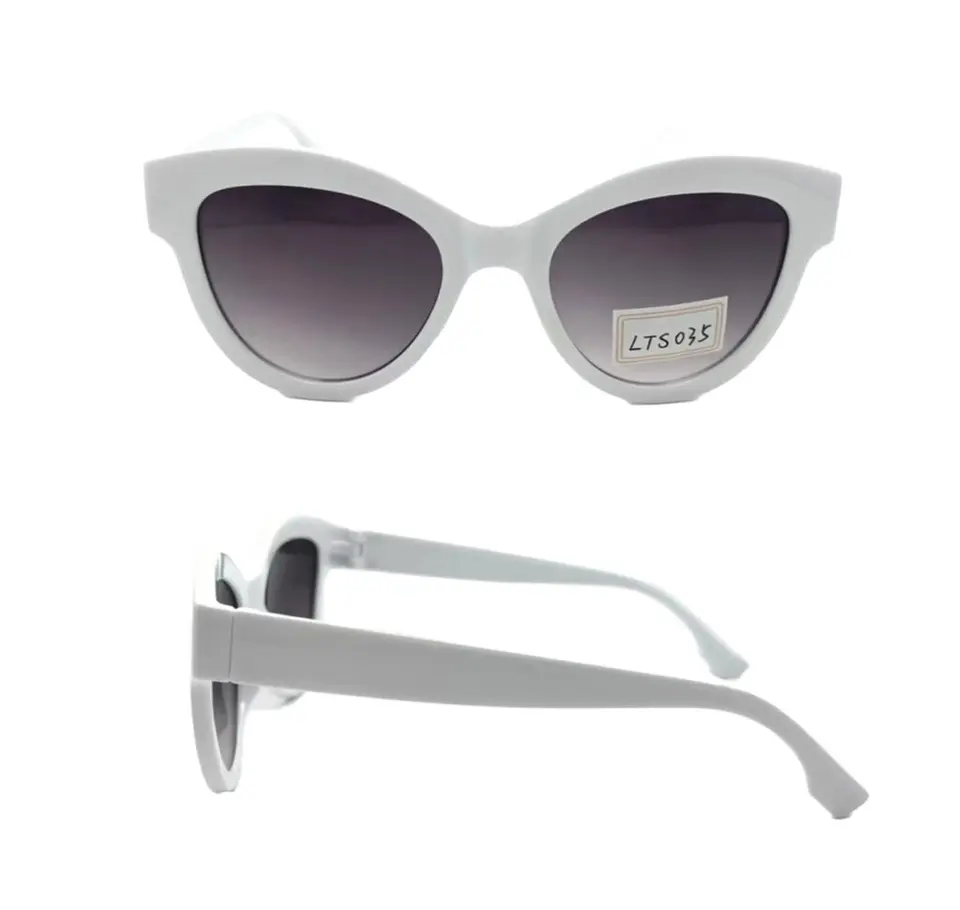
A kids sunglasses order can look manageable until every style is divided into several colors and packaging versions. A quantity plan makes those decisions visible before sampling and quotation. The aim is to give each order line a clear identity, not to increase the range simply because more options appear in a catalogue.
Give Each Style Its Own Row
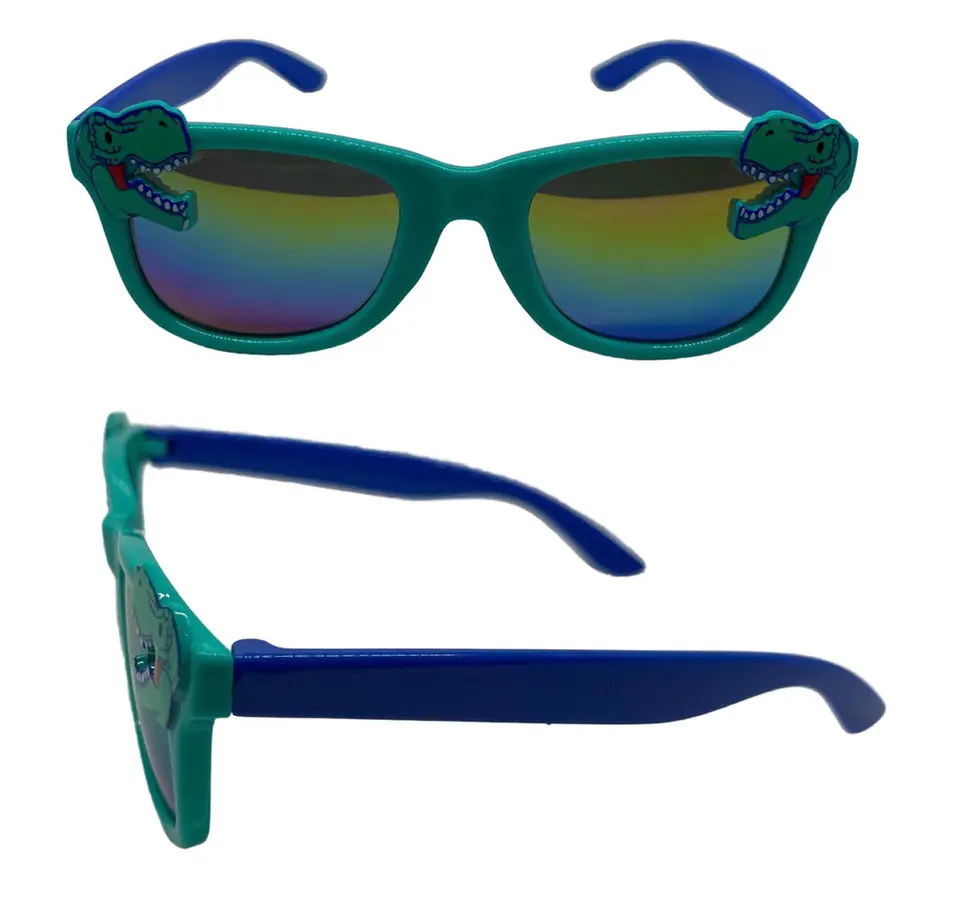
Begin with the exact model code, then list the proposed color combinations beneath it. Keep the front and temple colors separate when they differ. Record the intended age group and the dimensions still to be confirmed so a color decision is not mistaken for approval of the whole frame.
Compare the kids sunglasses collection with a short shortlist. For example, KID-047 and KID-055 offer different color directions. Their catalogue references should stay attached to every sample request and quotation line.
Do Not Confuse the Style Minimum With the Color Split
JUNLIAN’s minimum quantity is 1,200 pairs per style. The final quantity and any permitted split between colors must be confirmed. For example, a proposed allocation of 600 pairs in each of two colors totals 1,200 pairs for one style. Confirm the color allocation in your quotation before placing the order.
As a planning example, three styles at approximately 1,200 pairs each would represent approximately 3,600 pairs. If each style is offered in two colors, the plan contains six style-color combinations. That arithmetic describes the proposed assortment only; it does not establish a supplier’s acceptance of the allocation.
Track Packaging as a Separate Decision
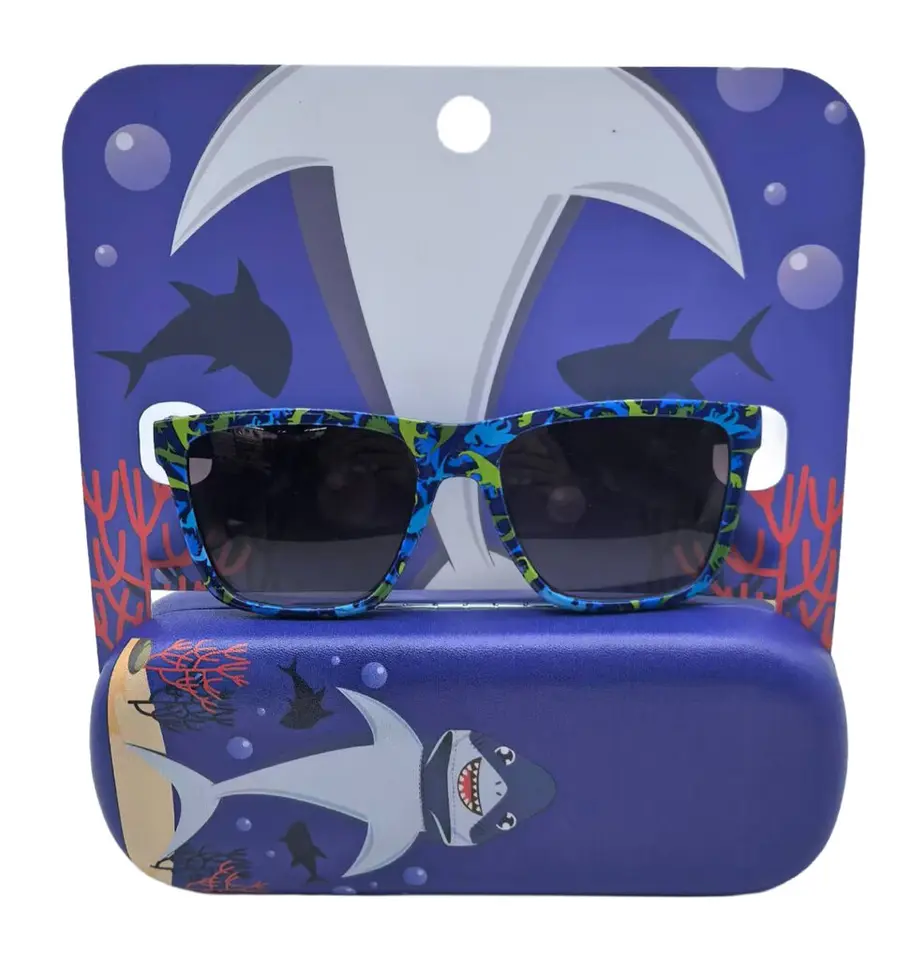
Use one packaging code for each distinct combination of case, card, label or insert. If all colors share one pack, state that clearly. If a label must identify the individual color, record which field changes and who provides the file. A shared case does not necessarily mean all printed components are shared.
- Style code and proposed color description.
- Pairs requested for that combination.
- Packaging code and any color-specific label.
- Sample status: requested, reviewed or approved.
- Questions awaiting the supplier’s confirmation.
Review the Plan Before Increasing Variety
Compare the total pairs, number of sample decisions and number of product photographs needed. Ask whether two similar color combinations serve distinct roles in your range. If sales evidence is available, use it; otherwise label the allocation as an initial purchasing assumption instead of presenting it as a proven demand forecast.
Keep changes in one current sheet. When a color is removed, update the total quantity and any related packaging quantities. Send the consolidated revision to the supplier so the final quote is not assembled from several different messages.
Connect the Allocation to the Quote
Ask the quotation to repeat your reference numbers and quantity split, and to identify any minimum-quantity conditions. Confirm sampling arrangements and the production schedule after the final configuration is understood. The kids wholesale buying guide covers the broader brief, while the RFQ guide helps you compare responses. Send your proposed style and color plan for review.