Kids Sunglasses: Preparing a Frame Measurement Brief
October 16, 2026 · JUNLIAN
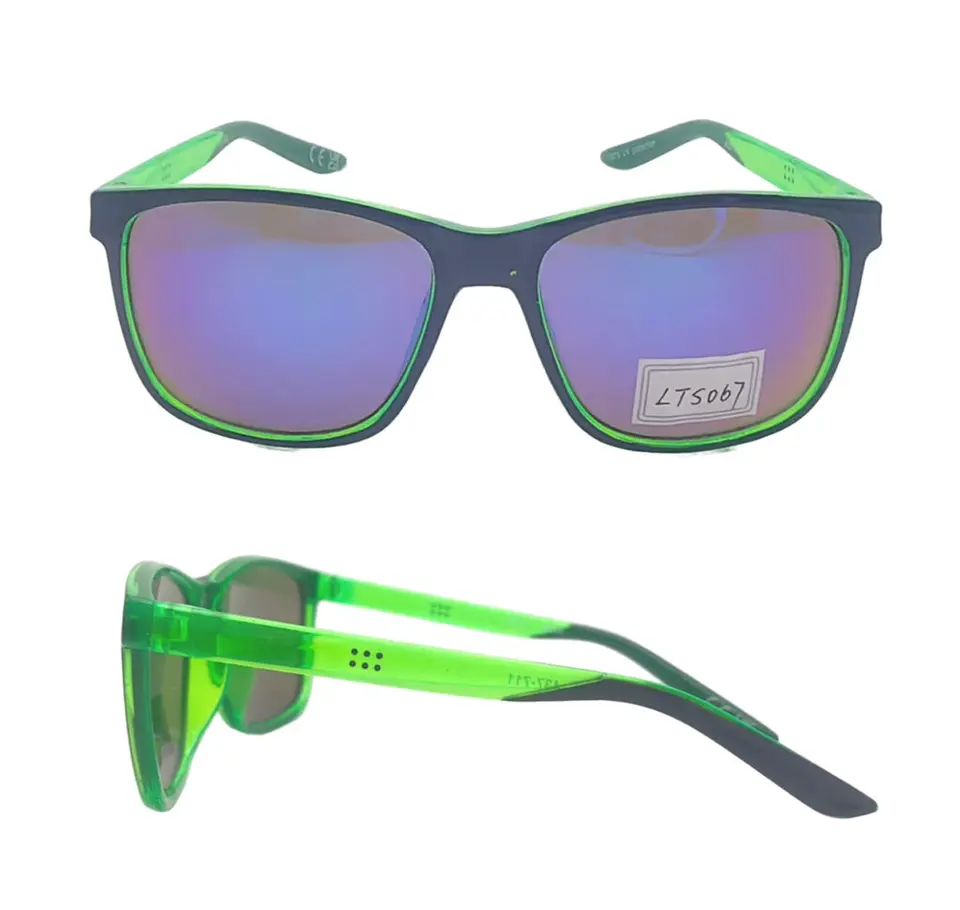
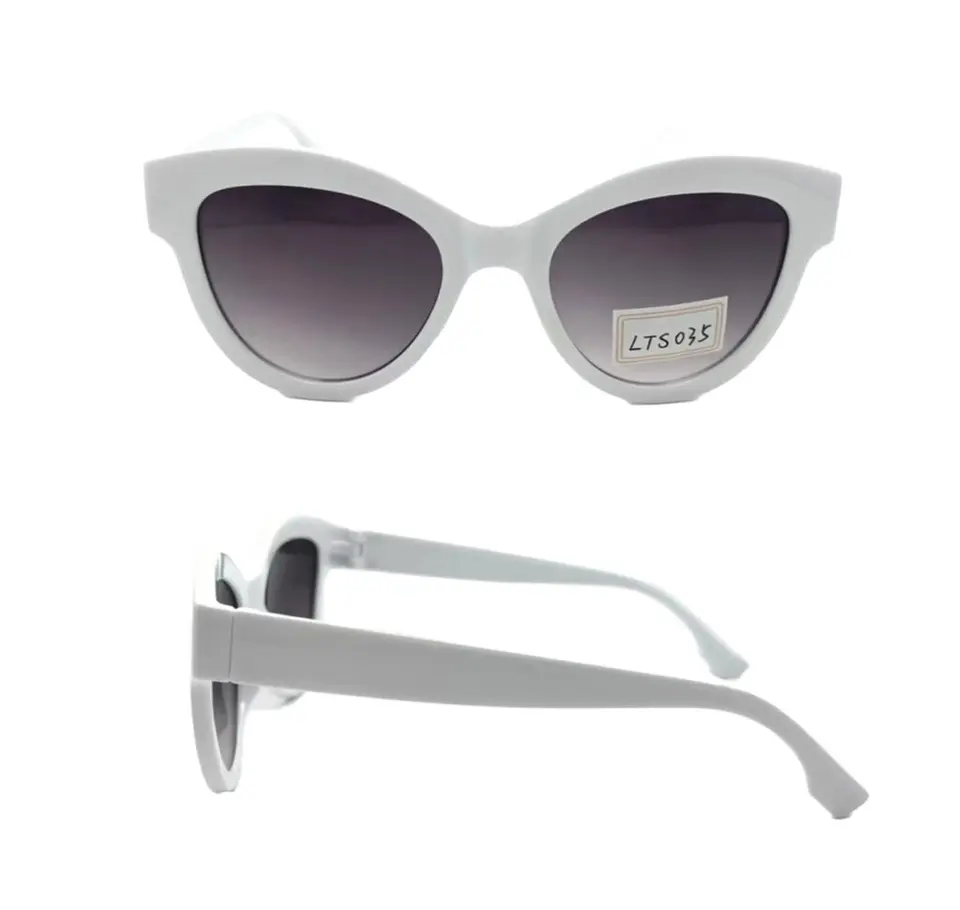
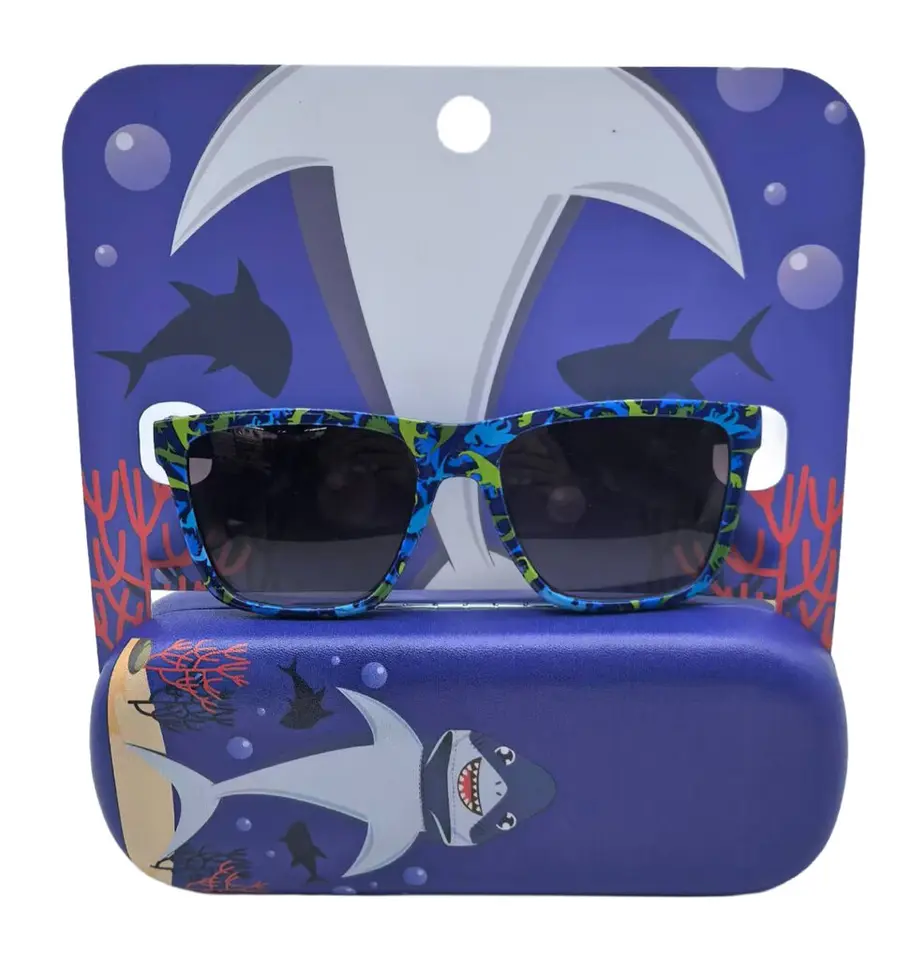
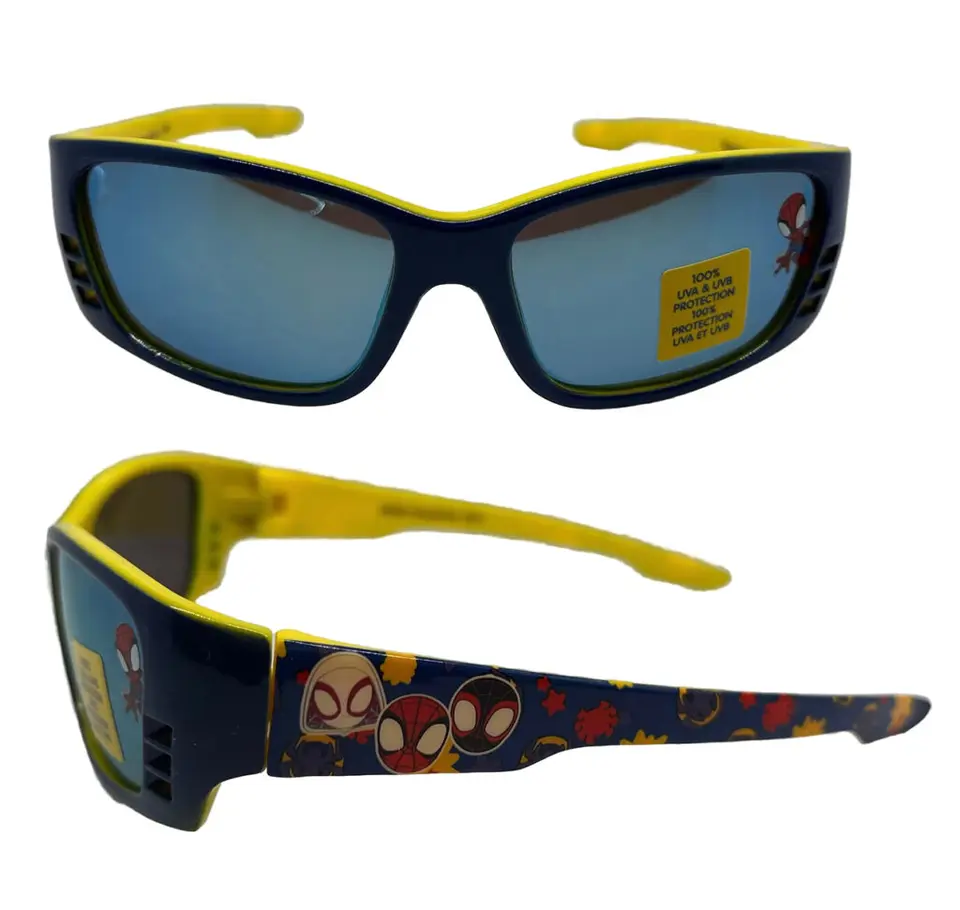
A product photograph helps a buyer shortlist a shape, but it does not establish the dimensions of a kids sunglasses frame. A measurement brief gives both sides a common set of questions before a sample is approved. Keep the requested dimensions separate from values that have actually been measured.
Identify the Exact Reference
Start with the product reference and the proposed color. If you compare two frames, create a separate record for each. Do not copy dimensions from a visually similar reference or assume the photographed frame is the final production specification.
Agree What Each Measurement Means
Ask how the supplier measures lens width, bridge width, temple length and total frame width. A drawing or annotated photograph should show the start and end points. Frame curvature and measurement position can affect a comparison, so a number without a method is incomplete.
Record Requested and Measured Values Separately
Use one column for your target and another for the supplier’s confirmed sample measurement. Add the unit and an agreed tolerance only after both parties have discussed it. A blank field means confirmation is pending; it should not silently become an accepted value.
Review Fit Through the Appropriate Process
An age range alone is not a fit specification. State the intended wearer group and discuss how your team will assess the sample. This purchasing worksheet does not establish whether a frame fits an individual child or verify lens performance.
Freeze the Approved Sample Record
Once approved, retain the reference, color, revision, measurement method and sample photographs together. If a later sample changes, compare it against that record and identify which measurements need another review before production.
Buyer Planning Worksheet
| Measurement record | Buyer request | Measured sample / supplier confirmation |
|---|---|---|
| Reference, color and revision | Selected frame code and requested color | Exact sample identity and measurement date |
| Lens width | Requested dimension and unit, or confirmation requested | Value plus a drawing showing the measurement points |
| Bridge width | Requested dimension and agreed measurement method | Value and the method used for this frame |
| Temple length | Requested dimension; ask which start and end points are used | Value and annotated side view |
| Overall front width | Requested dimension; distinguish it from lens width | Value and front-view measurement points |
| Folded frame size | Length, width and depth when a case is included | Measured configuration and any protruding detail |
| Tolerance and open questions | Discuss acceptable variation for each agreed dimension | Written agreement; leave unresolved fields marked pending |
| Approval reference | Person or team reviewing the sample; record the decision | Approved revision and a list of changes requiring another review |
Photograph the same sample from the front, side and folded position, with the measurement points visible. Keep the unit consistent and distinguish a requested value from one measured on a sample. Do not infer the overall width by adding two lens widths and a bridge figure: ask for the actual agreed measurement.
Carry this record into the eyewear sample approval checklist. If a case is required, use the sunglasses case fit review to compare the folded frame with the complete storage configuration.
Use the KID-044 reference page to start a discussion, then send the completed questions through Contact. For quantity allocation, read the style and color planning guide.