Wholesale Reading Glasses: Organizing Styles, Powers and Packaging
October 15, 2026 · JUNLIAN
For a wholesale reading-glasses order, the frame code is only one part of the specification. The buyer also needs a clear allocation by lens power, frame color and packaging format. This is a purchasing guide for organizing that information; it does not determine which reading power an individual should use.
Confirm the Available Configuration
Ask which powers are available for the selected frame, how they are identified and whether the supplier offers the configuration your business needs. Do not copy a power range from another model. Confirm dimensions, materials and the product information needed for your destination before preparing customer-facing descriptions.
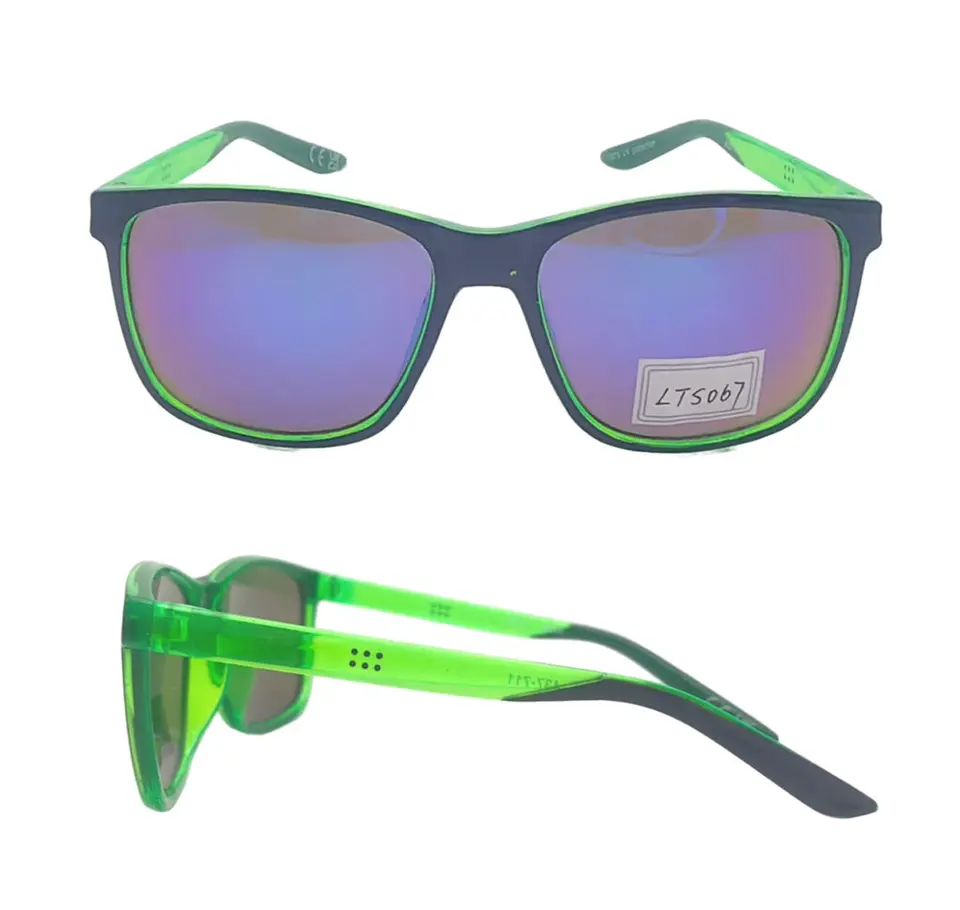
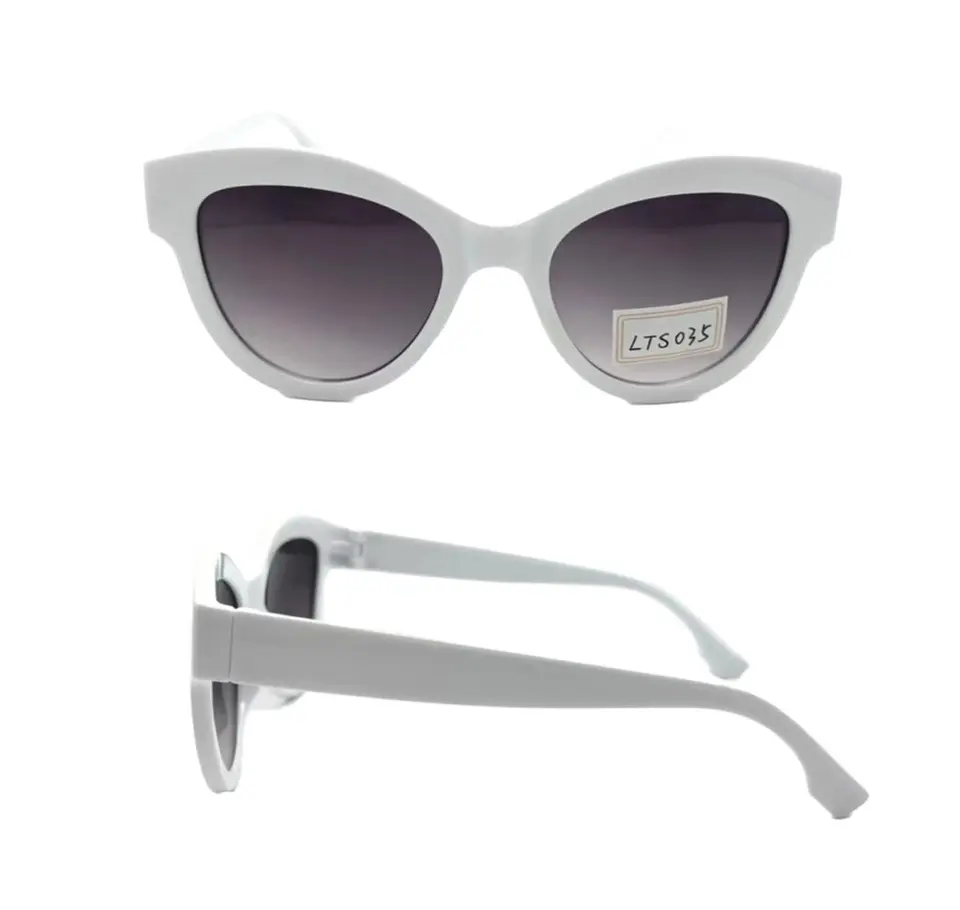
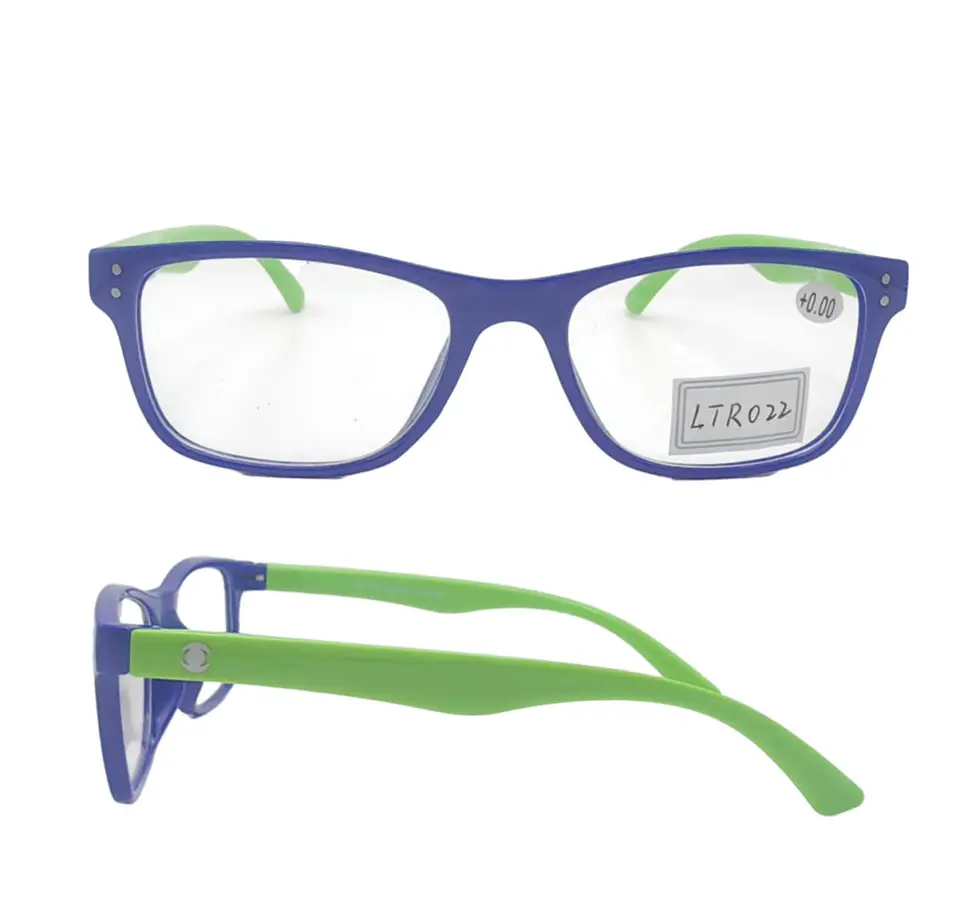
Compare the reading glasses collection and shortlist specific references such as READ-060, READ-061 or READ-069. Keep the model identifier on the sample and the quote even when two frames look similar.
Build a Style, Color and Power Matrix
Use one row for each ordered combination. Include the frame reference, color, required power, number of pairs and packaging code. Add a total for each style and a total for the order. If an allocation is provisional, say so clearly and ask the supplier to identify the applicable minimum quantities.
A purchasing total without its power split leaves an important decision unresolved. Conversely, a proposed split does not mean every quantity can be supplied. Ask for written confirmation of the available combinations and any restrictions before finalizing the assortment.
Connect the Matrix to Labels and Display
Decide how the receiving team and retail staff will distinguish the combinations. If you require power information on a tag, pouch or display position, provide the agreed format and location. Keep supplier model codes and retailer item codes connected in the same sheet. Ask who prepares and approves each label file.
For a display assortment, document which combinations belong in each position and how replenishment will be identified. A neatly arranged photograph is useful, but it should be supported by a component or packing list that another person can follow.
Approve Identification Alongside Appearance
Review the sample frame and its accompanying identification together. Confirm that the reference, stated power and packaging information correspond to the requested item. Agree the scope of any product assessment and inspection needed for the destination and order. A visual review of the frame does not establish lens accuracy or any other performance characteristic.
Record which configurations were assessed and which remain open. If the sample covers only one color or power, do not mark the entire assortment approved by implication. Keep the unresolved combinations visible in the approval record.
Make Reordering Traceable
Retain the final allocation, approved labeling files, sample references and purchase order revision. For the next order, state whether the same combinations are required or provide a revised split. Ask the supplier to identify any change in specification or availability before accepting the repeat order.
The RFQ guide helps define quote scope, and the sample approval checklist helps record decisions. Send your reading-glasses assortment brief with quantities by style, color and power for confirmation.